Buy esport-game.eu ?
We are moving the project
esport-game.eu .
Are you interested in purchasing the domain
esport-game.eu ?
domain@kv-gmbh.de · 0541-91531010
Buy esport-game.eu ?
What is the VSEPR theory in chemistry?
The VSEPR theory, which stands for Valence Shell Electron Pair Repulsion theory, is a model used in chemistry to predict the geometry of individual molecules based on the number of electron pairs surrounding their central atoms. According to this theory, electron pairs in the valence shell of an atom repel each other, leading to a molecular shape that minimizes this repulsion. By considering the number of bonding and non-bonding electron pairs around the central atom, the VSEPR theory can accurately predict the shape of molecules, helping chemists understand their properties and behaviors. **
What is molecular geometry according to the VSEPR theory?
Molecular geometry, according to the VSEPR (Valence Shell Electron Pair Repulsion) theory, is the three-dimensional arrangement of atoms in a molecule based on the repulsion between electron pairs in the valence shell of the central atom. The theory predicts the shape of a molecule by minimizing the repulsion between electron pairs, resulting in specific geometric arrangements such as linear, trigonal planar, tetrahedral, and so on. Understanding molecular geometry is crucial in determining the physical and chemical properties of a molecule, as well as its reactivity and behavior in various chemical reactions. **

Similar search terms for VSEPR
Top-Angebote
Products related to VSEPR:
-
Uplift Picks Triangle Strategy Board Game Chain Chess Family Fun Logic Game 24x21 CmBring excitement to your game nights with this engaging strategy board game designed to challenge your thinking and spark fun competition. Perfect for both kids and adults, this family board game combines logic, planning, and interactive play. Its...47,98 $*Shipping: 0,00 $Secure redirect to the provider
-
Multisell Products Hub Easy To Play Chess Board Game Toy, Educational Strategy Table Games Easy To Play Chess Board Game Toy, Educational Strategy Table GamesEngage Your Mind with a Classic Chess Board Game The Chess Board Game Toy is a timeless strategy game that offers endless fun for both beginners and experienced players. Designed to be easy to play, this game is perfect for improving focus,...49,97 $*Shipping: 0,00 $Secure redirect to the provider
-
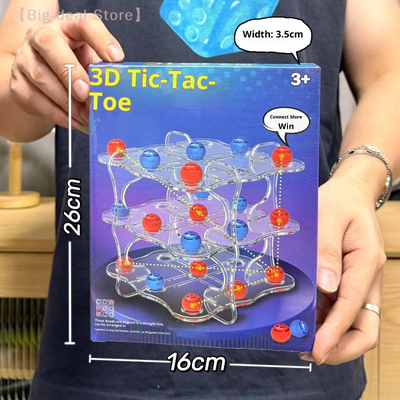
Uplift Picks Big Eat Small Tic Tac Toe Board Game Interactive Strategy Party Toy Big Eat Small Tic Tac Toe Board Game Interactive Strategy Party ToyChallenge minds and spark laughter with this big eat small board game that adds a clever twist to classic tic tac toe. Designed for kids and adults alike, it blends simple rules with strategic thinking to keep every round exciting. Players must...45,50 $*Shipping: 0,00 $Secure redirect to the provider



-
What is a double bond in the VSEPR model?
In the VSEPR (Valence Shell Electron Pair Repulsion) model, a double bond is a type of covalent bond where two pairs of electrons are shared between two atoms. This results in a stronger and shorter bond compared to a single bond. In terms of molecular geometry, a double bond is treated as a single bonding group, and it affects the overall shape of the molecule. The presence of a double bond can influence the angles between other atoms in the molecule, leading to specific molecular shapes and properties. **
-
What is the VSEPR model for water and hydrogen sulfide?
The VSEPR (Valence Shell Electron Pair Repulsion) model for water and hydrogen sulfide is both molecules have a bent molecular geometry. In water (H2O), the oxygen atom is surrounded by two bonding pairs and two lone pairs of electrons, resulting in a bent shape. In hydrogen sulfide (H2S), the sulfur atom is surrounded by two bonding pairs and two lone pairs of electrons, also leading to a bent molecular structure. **
-
What is the difference between the VSEPR model and hybridization?
The VSEPR (Valence Shell Electron Pair Repulsion) model is a theory used to predict the geometry of molecules based on the repulsion between electron pairs in the valence shell of an atom. It focuses on the arrangement of electron pairs around the central atom to determine the molecular shape. On the other hand, hybridization is a concept used to explain the mixing of atomic orbitals to form new hybrid orbitals in the valence shell of an atom. This process occurs in order to accommodate the bonding requirements of a molecule and to explain the observed molecular geometries. Hybridization is used to describe the bonding in a molecule, while VSEPR is used to predict the molecular geometry based on the arrangement of electron pairs. **
-
What is the difference between the VSEPR model and the Lewis structure formula notation?
The VSEPR (Valence Shell Electron Pair Repulsion) model is a theory used to predict the shape of molecules based on the repulsion between electron pairs in the valence shell of an atom. It focuses on the arrangement of atoms and lone pairs around a central atom. On the other hand, the Lewis structure formula notation is a way of representing the bonding and non-bonding electrons in a molecule using lines and dots. It focuses on showing the connectivity of atoms and the distribution of electrons in a molecule. In summary, the VSEPR model predicts the shape of molecules, while the Lewis structure formula notation represents the electron distribution in a molecule. **


Why is teamwork important for professional life?
Teamwork is important for professional life because it allows individuals to combine their unique skills and perspectives to achieve common goals. By working together, team members can leverage each other's strengths, problem-solve more effectively, and ultimately produce better results. Additionally, teamwork fosters a sense of collaboration, communication, and trust among colleagues, which can lead to a more positive and productive work environment. Overall, teamwork is essential for professional success as it enables individuals to achieve more collectively than they could on their own. **
What is the VSEPR model in chemistry and what role does the central atom play in it?
The VSEPR (Valence Shell Electron Pair Repulsion) model is a theory in chemistry that predicts the shape of molecules based on the repulsion between electron pairs in the valence shell of an atom. The central atom in a molecule plays a crucial role in the VSEPR model as it is the atom around which the other atoms and lone pairs arrange themselves to minimize repulsion and achieve the most stable geometry. The number of bonding pairs and lone pairs around the central atom determine the molecular geometry according to the VSEPR theory. **
Top-Angebote
Products related to VSEPR:
-
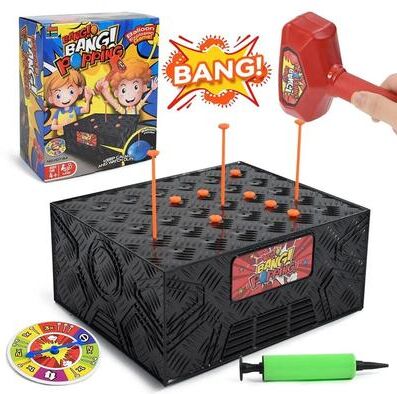
Uplift Picks Multiplayer Balloon Explosion Game Fun Family Tabletop Party Toy Multiplayer Balloon Explosion Game Fun Family Tabletop Party ToyGet ready for laughter, suspense, and surprise with this exciting balloon explosion game that keeps everyone on edge. Designed as a thrilling family tabletop party game, players take turns adding pressure until the balloon suddenly pops. This...30,98 $*Shipping: 0,00 $Secure redirect to the provider
-
Uplift Picks Triangle Strategy Board Game Chain Chess Family Fun Logic Game 24x21 CmBring excitement to your game nights with this engaging strategy board game designed to challenge your thinking and spark fun competition. Perfect for both kids and adults, this family board game combines logic, planning, and interactive play. Its...47,98 $*Shipping: 0,00 $Secure redirect to the provider
-
What is the VSEPR theory in chemistry?
The VSEPR theory, which stands for Valence Shell Electron Pair Repulsion theory, is a model used in chemistry to predict the geometry of individual molecules based on the number of electron pairs surrounding their central atoms. According to this theory, electron pairs in the valence shell of an atom repel each other, leading to a molecular shape that minimizes this repulsion. By considering the number of bonding and non-bonding electron pairs around the central atom, the VSEPR theory can accurately predict the shape of molecules, helping chemists understand their properties and behaviors. **
-
What is molecular geometry according to the VSEPR theory?
Molecular geometry, according to the VSEPR (Valence Shell Electron Pair Repulsion) theory, is the three-dimensional arrangement of atoms in a molecule based on the repulsion between electron pairs in the valence shell of the central atom. The theory predicts the shape of a molecule by minimizing the repulsion between electron pairs, resulting in specific geometric arrangements such as linear, trigonal planar, tetrahedral, and so on. Understanding molecular geometry is crucial in determining the physical and chemical properties of a molecule, as well as its reactivity and behavior in various chemical reactions. **
-
What is a double bond in the VSEPR model?
In the VSEPR (Valence Shell Electron Pair Repulsion) model, a double bond is a type of covalent bond where two pairs of electrons are shared between two atoms. This results in a stronger and shorter bond compared to a single bond. In terms of molecular geometry, a double bond is treated as a single bonding group, and it affects the overall shape of the molecule. The presence of a double bond can influence the angles between other atoms in the molecule, leading to specific molecular shapes and properties. **
-
What is the VSEPR model for water and hydrogen sulfide?
The VSEPR (Valence Shell Electron Pair Repulsion) model for water and hydrogen sulfide is both molecules have a bent molecular geometry. In water (H2O), the oxygen atom is surrounded by two bonding pairs and two lone pairs of electrons, resulting in a bent shape. In hydrogen sulfide (H2S), the sulfur atom is surrounded by two bonding pairs and two lone pairs of electrons, also leading to a bent molecular structure. **
Similar search terms for VSEPR
-
Multisell Products Hub Easy To Play Chess Board Game Toy, Educational Strategy Table Games Easy To Play Chess Board Game Toy, Educational Strategy Table GamesEngage Your Mind with a Classic Chess Board Game The Chess Board Game Toy is a timeless strategy game that offers endless fun for both beginners and experienced players. Designed to be easy to play, this game is perfect for improving focus,...49,97 $*Shipping: 0,00 $Secure redirect to the provider
-
Uplift Picks Big Eat Small Tic Tac Toe Board Game Interactive Strategy Party Toy Big Eat Small Tic Tac Toe Board Game Interactive Strategy Party ToyChallenge minds and spark laughter with this big eat small board game that adds a clever twist to classic tic tac toe. Designed for kids and adults alike, it blends simple rules with strategic thinking to keep every round exciting. Players must...45,50 $*Shipping: 0,00 $Secure redirect to the provider
-
Uplift Picks Triggle Triangle Strategy Board Game For Family Play colorfulGame nights are better when everyone is thinking, laughing, and competing together. The Triggle Triangle Strategy Board Game is a fastpaced, handson game that blends logic, timing, and friendly competition. Designed for both kids and adults, it...37,59 $*Shipping: 0,00 $Secure redirect to the provider
-
Uplift Picks Triangle Strategy Board Game Chain Chess Family Fun Logic Game 21x19 CmBring excitement to your game nights with this engaging strategy board game designed to challenge your thinking and spark fun competition. Perfect for both kids and adults, this family board game combines logic, planning, and interactive play. Its...42,98 $*Shipping: 0,00 $Secure redirect to the provider
-
What is the difference between the VSEPR model and hybridization?
The VSEPR (Valence Shell Electron Pair Repulsion) model is a theory used to predict the geometry of molecules based on the repulsion between electron pairs in the valence shell of an atom. It focuses on the arrangement of electron pairs around the central atom to determine the molecular shape. On the other hand, hybridization is a concept used to explain the mixing of atomic orbitals to form new hybrid orbitals in the valence shell of an atom. This process occurs in order to accommodate the bonding requirements of a molecule and to explain the observed molecular geometries. Hybridization is used to describe the bonding in a molecule, while VSEPR is used to predict the molecular geometry based on the arrangement of electron pairs. **
-
What is the difference between the VSEPR model and the Lewis structure formula notation?
The VSEPR (Valence Shell Electron Pair Repulsion) model is a theory used to predict the shape of molecules based on the repulsion between electron pairs in the valence shell of an atom. It focuses on the arrangement of atoms and lone pairs around a central atom. On the other hand, the Lewis structure formula notation is a way of representing the bonding and non-bonding electrons in a molecule using lines and dots. It focuses on showing the connectivity of atoms and the distribution of electrons in a molecule. In summary, the VSEPR model predicts the shape of molecules, while the Lewis structure formula notation represents the electron distribution in a molecule. **
-
Why is teamwork important for professional life?
Teamwork is important for professional life because it allows individuals to combine their unique skills and perspectives to achieve common goals. By working together, team members can leverage each other's strengths, problem-solve more effectively, and ultimately produce better results. Additionally, teamwork fosters a sense of collaboration, communication, and trust among colleagues, which can lead to a more positive and productive work environment. Overall, teamwork is essential for professional success as it enables individuals to achieve more collectively than they could on their own. **
-
What is the VSEPR model in chemistry and what role does the central atom play in it?
The VSEPR (Valence Shell Electron Pair Repulsion) model is a theory in chemistry that predicts the shape of molecules based on the repulsion between electron pairs in the valence shell of an atom. The central atom in a molecule plays a crucial role in the VSEPR model as it is the atom around which the other atoms and lone pairs arrange themselves to minimize repulsion and achieve the most stable geometry. The number of bonding pairs and lone pairs around the central atom determine the molecular geometry according to the VSEPR theory. **
* All prices are inclusive of VAT and, if applicable, plus shipping costs. The offer information is based on the details provided by the respective shop and is updated through automated processes. Real-time updates do not occur, so deviations can occur in individual cases. ** Note: Parts of this content were created by AI.