Buy esport-game.eu ?
We are moving the project
esport-game.eu .
Are you interested in purchasing the domain
esport-game.eu ?
domain@kv-gmbh.de · 0541-91531010
Buy esport-game.eu ?
What is planned obsolescence?
Planned obsolescence is a business strategy where products are intentionally designed to have a limited lifespan or become outdated quickly, encouraging consumers to replace them sooner than necessary. This practice ensures a continuous demand for new products and generates more sales for the company. Critics argue that planned obsolescence is environmentally harmful as it leads to increased waste and resource consumption. **
"Human, spontaneous or planned?"
Humans are capable of both spontaneous and planned actions. Spontaneous actions are those that are done without much forethought or preparation, often in response to immediate circumstances. On the other hand, planned actions are those that are thought out in advance and executed according to a predetermined strategy or schedule. Both types of actions are important for human behavior and can be influenced by a variety of factors such as personality, environment, and individual preferences. **

Similar search terms for Planned
Top-Angebote
Products related to Planned:
-
Multisell Products Hub Easy To Play Chess Board Game Toy, Educational Strategy Table Games Easy To Play Chess Board Game Toy, Educational Strategy Table GamesEngage Your Mind with a Classic Chess Board Game The Chess Board Game Toy is a timeless strategy game that offers endless fun for both beginners and experienced players. Designed to be easy to play, this game is perfect for improving focus,...49,97 $*Shipping: 0,00 $Secure redirect to the provider
-
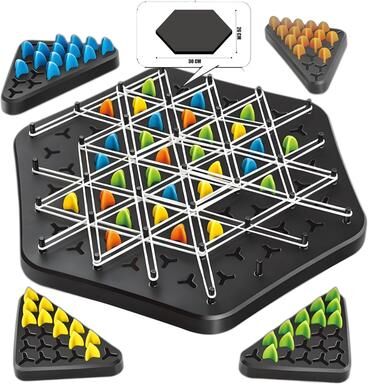
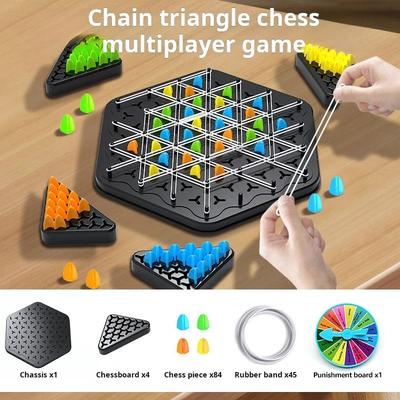
Uplift Picks Triangle Strategy Board Game Chain Chess Family Fun Logic Game 30x26 CmBring excitement to your game nights with this engaging strategy board game designed to challenge your thinking and spark fun competition. Perfect for both kids and adults, this family board game combines logic, planning, and interactive play. Its...57,98 $*Shipping: 0,00 $Secure redirect to the provider
-
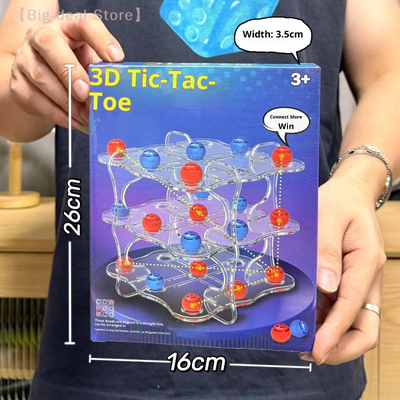
Uplift Picks Big Eat Small Tic Tac Toe Board Game Interactive Strategy Party Toy Big Eat Small Tic Tac Toe Board Game Interactive Strategy Party ToyChallenge minds and spark laughter with this big eat small board game that adds a clever twist to classic tic tac toe. Designed for kids and adults alike, it blends simple rules with strategic thinking to keep every round exciting. Players must...45,50 $*Shipping: 0,00 $Secure redirect to the provider


-
What is the difference between a centrally planned economy and a planned economy?
A centrally planned economy is a type of planned economy where the government makes all decisions regarding production, distribution, and consumption of goods and services. In a centrally planned economy, the government owns most, if not all, of the means of production. On the other hand, a planned economy is a broader term that encompasses any economy where the government plays a significant role in planning and regulating economic activities, but it may not necessarily involve complete government ownership of all resources. Planned economies can have varying degrees of government intervention, while centrally planned economies have a high level of government control and ownership. **
-
Are German cities poorly planned?
German cities are generally well-planned, with efficient public transportation systems, pedestrian-friendly areas, and a mix of residential and commercial spaces. However, some cities, like Berlin, have faced challenges due to rapid population growth and the need to accommodate large numbers of residents. Overall, German cities prioritize sustainability, green spaces, and a high quality of life for residents, making them well-planned compared to many other cities around the world. **
-
What are planned economy tendencies?
Planned economy tendencies refer to the characteristics of an economic system where the government or a central authority makes decisions regarding production, distribution, and resource allocation. These tendencies include centralized decision-making, government ownership of key industries, and a focus on meeting collective goals rather than individual preferences. Planned economies often prioritize social welfare and equality over profit maximization and competition. However, they can also lead to inefficiencies, lack of innovation, and limited consumer choice. **
-
Should planned obsolescence be banned?
Planned obsolescence should be regulated rather than banned entirely. While it can lead to wasteful consumption and environmental harm, it also drives innovation and economic growth. By implementing regulations that promote sustainable design and responsible consumption, we can strike a balance between encouraging innovation and protecting the environment. Additionally, companies should be held accountable for their products' lifespan and provide options for repair and recycling to minimize waste. **

What is a planned economy?
A planned economy is an economic system in which the government or a central authority makes decisions about what goods and services will be produced, how they will be produced, and for whom they will be produced. In a planned economy, the government typically owns and controls the means of production, such as factories and land. This system contrasts with a market economy, where decisions are made by individuals and businesses based on supply and demand in the market. Planned economies are often associated with socialism or communism. **
Can a planned economy work?
A planned economy can work in theory, as it allows for centralized decision-making and allocation of resources based on the needs of society. However, in practice, planned economies have often struggled to efficiently allocate resources, respond to changing market conditions, and incentivize innovation and productivity. This can lead to inefficiencies, shortages, and lack of consumer choice. Ultimately, the success of a planned economy depends on the effectiveness of its central planning authority, the flexibility of its decision-making processes, and the ability to adapt to changing economic conditions. **
Top-Angebote
Products related to Planned:
-
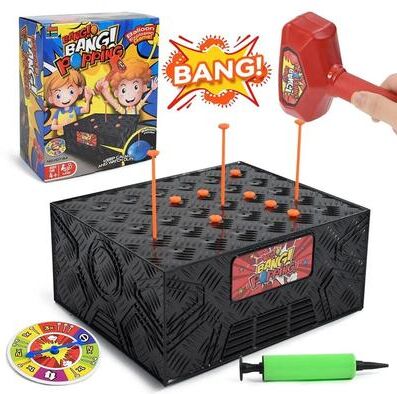
Uplift Picks Multiplayer Balloon Explosion Game Fun Family Tabletop Party Toy Multiplayer Balloon Explosion Game Fun Family Tabletop Party ToyGet ready for laughter, suspense, and surprise with this exciting balloon explosion game that keeps everyone on edge. Designed as a thrilling family tabletop party game, players take turns adding pressure until the balloon suddenly pops. This...30,98 $*Shipping: 0,00 $Secure redirect to the provider
-
Multisell Products Hub Easy To Play Chess Board Game Toy, Educational Strategy Table Games Easy To Play Chess Board Game Toy, Educational Strategy Table GamesEngage Your Mind with a Classic Chess Board Game The Chess Board Game Toy is a timeless strategy game that offers endless fun for both beginners and experienced players. Designed to be easy to play, this game is perfect for improving focus,...49,97 $*Shipping: 0,00 $Secure redirect to the provider
-
What is planned obsolescence?
Planned obsolescence is a business strategy where products are intentionally designed to have a limited lifespan or become outdated quickly, encouraging consumers to replace them sooner than necessary. This practice ensures a continuous demand for new products and generates more sales for the company. Critics argue that planned obsolescence is environmentally harmful as it leads to increased waste and resource consumption. **
-
"Human, spontaneous or planned?"
Humans are capable of both spontaneous and planned actions. Spontaneous actions are those that are done without much forethought or preparation, often in response to immediate circumstances. On the other hand, planned actions are those that are thought out in advance and executed according to a predetermined strategy or schedule. Both types of actions are important for human behavior and can be influenced by a variety of factors such as personality, environment, and individual preferences. **
-
What is the difference between a centrally planned economy and a planned economy?
A centrally planned economy is a type of planned economy where the government makes all decisions regarding production, distribution, and consumption of goods and services. In a centrally planned economy, the government owns most, if not all, of the means of production. On the other hand, a planned economy is a broader term that encompasses any economy where the government plays a significant role in planning and regulating economic activities, but it may not necessarily involve complete government ownership of all resources. Planned economies can have varying degrees of government intervention, while centrally planned economies have a high level of government control and ownership. **
-
Are German cities poorly planned?
German cities are generally well-planned, with efficient public transportation systems, pedestrian-friendly areas, and a mix of residential and commercial spaces. However, some cities, like Berlin, have faced challenges due to rapid population growth and the need to accommodate large numbers of residents. Overall, German cities prioritize sustainability, green spaces, and a high quality of life for residents, making them well-planned compared to many other cities around the world. **
Similar search terms for Planned
-
Uplift Picks Triangle Strategy Board Game Chain Chess Family Fun Logic Game 30x26 CmBring excitement to your game nights with this engaging strategy board game designed to challenge your thinking and spark fun competition. Perfect for both kids and adults, this family board game combines logic, planning, and interactive play. Its...57,98 $*Shipping: 0,00 $Secure redirect to the provider
-
Uplift Picks Big Eat Small Tic Tac Toe Board Game Interactive Strategy Party Toy Big Eat Small Tic Tac Toe Board Game Interactive Strategy Party ToyChallenge minds and spark laughter with this big eat small board game that adds a clever twist to classic tic tac toe. Designed for kids and adults alike, it blends simple rules with strategic thinking to keep every round exciting. Players must...45,50 $*Shipping: 0,00 $Secure redirect to the provider
-
Uplift Picks Triggle Triangle Strategy Board Game For Family Play burgundyGame nights are better when everyone is thinking, laughing, and competing together. The Triggle Triangle Strategy Board Game is a fastpaced, handson game that blends logic, timing, and friendly competition. Designed for both kids and adults, it...54,50 $*Shipping: 0,00 $Secure redirect to the provider
-
Uplift Picks Triangle Strategy Board Game Chain Chess Family Fun Logic Game 24x21 CmBring excitement to your game nights with this engaging strategy board game designed to challenge your thinking and spark fun competition. Perfect for both kids and adults, this family board game combines logic, planning, and interactive play. Its...47,98 $*Shipping: 0,00 $Secure redirect to the provider
-
What are planned economy tendencies?
Planned economy tendencies refer to the characteristics of an economic system where the government or a central authority makes decisions regarding production, distribution, and resource allocation. These tendencies include centralized decision-making, government ownership of key industries, and a focus on meeting collective goals rather than individual preferences. Planned economies often prioritize social welfare and equality over profit maximization and competition. However, they can also lead to inefficiencies, lack of innovation, and limited consumer choice. **
-
Should planned obsolescence be banned?
Planned obsolescence should be regulated rather than banned entirely. While it can lead to wasteful consumption and environmental harm, it also drives innovation and economic growth. By implementing regulations that promote sustainable design and responsible consumption, we can strike a balance between encouraging innovation and protecting the environment. Additionally, companies should be held accountable for their products' lifespan and provide options for repair and recycling to minimize waste. **
-
What is a planned economy?
A planned economy is an economic system in which the government or a central authority makes decisions about what goods and services will be produced, how they will be produced, and for whom they will be produced. In a planned economy, the government typically owns and controls the means of production, such as factories and land. This system contrasts with a market economy, where decisions are made by individuals and businesses based on supply and demand in the market. Planned economies are often associated with socialism or communism. **
-
Can a planned economy work?
A planned economy can work in theory, as it allows for centralized decision-making and allocation of resources based on the needs of society. However, in practice, planned economies have often struggled to efficiently allocate resources, respond to changing market conditions, and incentivize innovation and productivity. This can lead to inefficiencies, shortages, and lack of consumer choice. Ultimately, the success of a planned economy depends on the effectiveness of its central planning authority, the flexibility of its decision-making processes, and the ability to adapt to changing economic conditions. **
* All prices are inclusive of VAT and, if applicable, plus shipping costs. The offer information is based on the details provided by the respective shop and is updated through automated processes. Real-time updates do not occur, so deviations can occur in individual cases. ** Note: Parts of this content were created by AI.