Buy esport-game.eu ?
We are moving the project
esport-game.eu .
Are you interested in purchasing the domain
esport-game.eu ?
domain@kv-gmbh.de · 0541-91531010
Buy esport-game.eu ?
Is possessiveness a disease?
Possessiveness is not considered a disease in the medical sense, but it can be a harmful trait that negatively impacts relationships and mental well-being. Excessive possessiveness can lead to controlling behavior, jealousy, and insecurity, which can strain relationships and cause distress for both the possessive individual and their partner. It is important to address possessiveness through communication, self-reflection, and potentially seeking therapy to work through underlying issues that may be contributing to this behavior. **
Is possessiveness also present in marriage?
Yes, possessiveness can be present in marriage. It can stem from feelings of insecurity, fear of losing one's partner, or a desire to control the relationship. While some level of possessiveness is normal in a romantic relationship, it can become unhealthy if it leads to jealousy, controlling behavior, or lack of trust. It is important for couples to communicate openly, set boundaries, and work on building trust to prevent possessiveness from negatively impacting their marriage. **

Similar search terms for Possessiveness
Top-Angebote
Products related to Possessiveness:
-
Slinky Challenge Game for 4 Players, Ages 6+, Teamwork and Coordination Game by Just PlayGet ready to wiggle, twist and race with the Slinky Challenge Game—a hilarious team game that turns the classic Slinky toy into an energetic four-player showdown. Players split into two teams of two, strap on the colour-matching belts and stretch a Slinky between their waists. The aim is to move a disc along the Slinky using hip movements and teamwork alone. Hands are not allowed, so success depends on coordination, rhythm, and plenty of amusing moves. Race side by side to the finish and see which team can master the challenge first. This active game is ideal for family gatherings, game nights, and any occasion where you want to get everyone moving. It combines the nostalgic appeal of the Slinky with a silly, competitive challenge that can be enjoyed by children, older players, and adults alike. To play, form two teams of two, attach the belts, place a disc on each Slinky, and get ready to shimmy. Work together to move the disc along the Slinky and be the first team to reach the finish line.12,29 £*Shipping: 1,99 £Secure redirect to the provider
-
Tricky Twist Card Game - Compact Strategy Game, Ages 8+, by TackTurnTricky Twist is a compact card game where losing tricks can be just as valuable as winning them. Players retrieve cards they have played, turning them face up as false tricks that can influence the final score. Success depends on balancing ordinary tricks with false tricks while planning how transformed cards can work together. Players may aim to create a sequence of matching values, increasing their victory points through careful timing and tactical choices. This game offers a deceptively simple premise and strategic decisions, making it an engaging tabletop experience for players who enjoy clever card play, calculated risks, and changing objectives.11,49 £*Shipping: 1,99 £Secure redirect to the provider
-
Norsewind Tableau-Building Strategy Game by Aporta GamesIn Norsewind, the year is 793 and the kingdoms of Anglo-Saxon England face an advancing Viking threat. Take control of Wessex, Mercia, Northumbria, or East Anglia and develop your realm while preparing for attack. This tableau-building strategy game challenges you to select cards and add them to your growing kingdom. Place each card carefully to create useful combinations, gather helpful followers, and improve your castles. Expansion brings rewards, but a larger kingdom can also attract stronger Viking attacks. At the end of the game, assess each row in your tableau and score it only when your defenses can withstand the Viking power. The game features a unique blend of strategy and luck, requiring you to balance growth, preparation, and tactical placement to emerge victorious.23,49 £*Shipping: 1,99 £Secure redirect to the provider
-
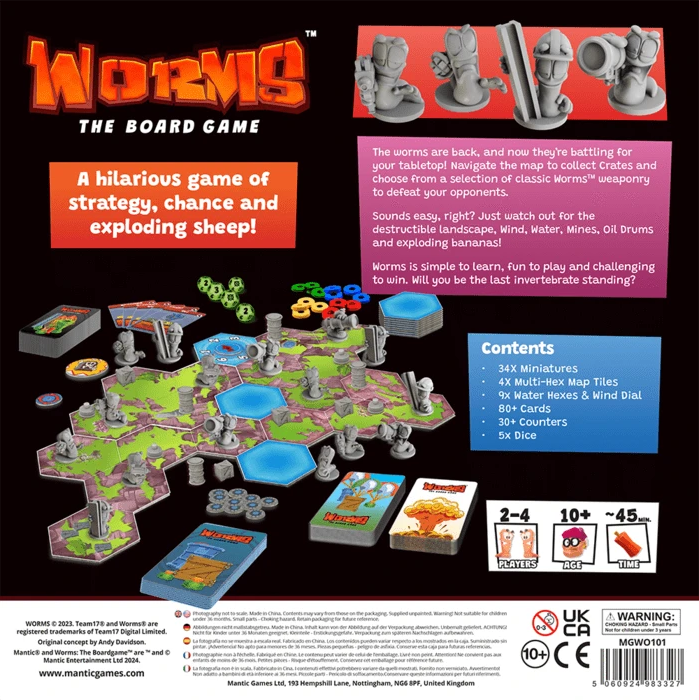
Worms: The Board Game - Competitive Strategy Game, Ages 8+, by Mantic GamesBring the chaotic tactics and humour of the Worms video game series to the tabletop with Worms: The Board Game. Players command teams of Worms across a hex-based battlefield, gathering crates, avoiding mines, and choosing the right weapons to outmanoeuvre their opponents. Plan your movements carefully, use the terrain to your advantage, and try to keep your team in action while reducing the opposing forces. The combination of tactical decisions, luck, and explosive surprises creates an entertaining experience for family game nights and groups of friends. This game is designed for competitive tabletop play and is a great addition to any collection of board games.40,79 £*Shipping: 1,99 £Secure redirect to the provider



-
What is the difference between possessiveness and jealousy?
Possessiveness is the desire to control or own something or someone, often stemming from a sense of ownership or entitlement. It can manifest as wanting to have power over a person or object. Jealousy, on the other hand, is an emotional response to a perceived threat or loss of something valuable, such as a relationship or possession. It often involves feelings of insecurity, fear of abandonment, or competition with others. While possessiveness is more about control and ownership, jealousy is more about fear of losing something important. **
-
What can I do about my jealousy and possessiveness?
To address jealousy and possessiveness, it is important to first acknowledge and understand the root causes of these feelings. Reflect on past experiences or insecurities that may be contributing to these emotions. Practice open communication with your partner about your feelings and work together to build trust and reassurance. Additionally, focus on building your self-esteem and confidence to reduce feelings of insecurity that may be fueling jealousy. Seeking support from a therapist or counselor can also be beneficial in addressing and managing these emotions. **
-
What is the cause of jealousy: love or possessiveness?
Jealousy can stem from both love and possessiveness. Love can lead to jealousy when there is a fear of losing the affection and attention of a loved one to someone else. Possessiveness, on the other hand, can also lead to jealousy when there is a strong desire to control and own the other person. Both love and possessiveness can trigger feelings of insecurity and fear of losing the connection with the person, which can result in jealousy. Ultimately, the cause of jealousy can be a complex combination of love and possessiveness. **
-
Is the concept of human partnership, love, without jealousy and possessiveness not possible?
The concept of human partnership and love without jealousy and possessiveness is possible, but it requires a deep level of trust, communication, and emotional maturity from both partners. It involves understanding that each person is an individual with their own autonomy and freedom, and that love does not equate to ownership. It requires a secure attachment style and the ability to manage insecurities and fears. While it may be challenging, it is achievable through open and honest communication, mutual respect, and a commitment to personal growth. **

How does the desire for control manifest in relationships through possessiveness and dominance?
The desire for control in relationships can manifest through possessiveness by wanting to have ownership and control over the other person. This can lead to jealousy, monitoring their activities, and trying to limit their interactions with others. Dominance can manifest through the need to have power and authority over the other person, leading to controlling behavior, making all the decisions, and using manipulation or coercion to maintain control. Both possessiveness and dominance can create an unhealthy dynamic in a relationship, leading to feelings of suffocation, lack of autonomy, and ultimately, the erosion of trust and intimacy. **
Why is teamwork important for professional life?
Teamwork is important for professional life because it allows individuals to combine their unique skills and perspectives to achieve common goals. By working together, team members can leverage each other's strengths, problem-solve more effectively, and ultimately produce better results. Additionally, teamwork fosters a sense of collaboration, communication, and trust among colleagues, which can lead to a more positive and productive work environment. Overall, teamwork is essential for professional success as it enables individuals to achieve more collectively than they could on their own. **
Top-Angebote
Products related to Possessiveness:
-
Mojang Studios Minecraft Legends Deluxe Edition for PlayStation 4 (Disc) - Action-strategy adventure game with multiplayer modesUnite the Overworld and lead familiar mobs and unexpected allies into battle in Minecraft Legends Deluxe Edition for PlayStation 4. The piglins are spreading corruption across the Overworld, and a well-planned defence is needed to stop their advance. Build, explore, and command as you travel through a colourful, resource-rich world that changes with each playthrough. Gather allies, strengthen settlements, and direct your forces against fortified piglin bases. Strategic decisions combine with real-time action as you ride across the landscape, raise your banner, and rally the Overworld's defenders. This game includes the base game and the Deluxe Skin Pack, which features one hero skin and five mount skins. Multiplayer modes allow heroes to cooperate or compete online.22,79 £*Shipping: 1,99 £Secure redirect to the provider
-
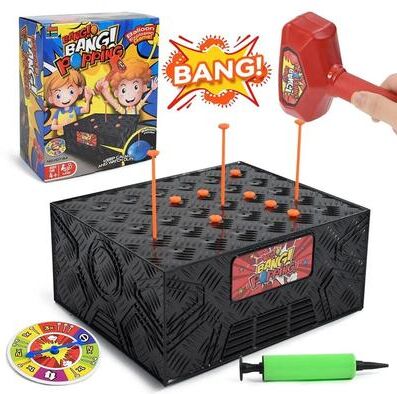
Uplift Picks Multiplayer Balloon Explosion Game Fun Family Tabletop Party Toy Multiplayer Balloon Explosion Game Fun Family Tabletop Party ToyGet ready for laughter, suspense, and surprise with this exciting balloon explosion game that keeps everyone on edge. Designed as a thrilling family tabletop party game, players take turns adding pressure until the balloon suddenly pops. This...30,98 $*Shipping: 0,00 $Secure redirect to the provider
-
Slinky Challenge Game for 4 Players, Ages 6+, Teamwork and Coordination Game by Just PlayGet ready to wiggle, twist and race with the Slinky Challenge Game—a hilarious team game that turns the classic Slinky toy into an energetic four-player showdown. Players split into two teams of two, strap on the colour-matching belts and stretch a Slinky between their waists. The aim is to move a disc along the Slinky using hip movements and teamwork alone. Hands are not allowed, so success depends on coordination, rhythm, and plenty of amusing moves. Race side by side to the finish and see which team can master the challenge first. This active game is ideal for family gatherings, game nights, and any occasion where you want to get everyone moving. It combines the nostalgic appeal of the Slinky with a silly, competitive challenge that can be enjoyed by children, older players, and adults alike. To play, form two teams of two, attach the belts, place a disc on each Slinky, and get ready to shimmy. Work together to move the disc along the Slinky and be the first team to reach the finish line.12,29 £*Shipping: 1,99 £Secure redirect to the provider
-
Tricky Twist Card Game - Compact Strategy Game, Ages 8+, by TackTurnTricky Twist is a compact card game where losing tricks can be just as valuable as winning them. Players retrieve cards they have played, turning them face up as false tricks that can influence the final score. Success depends on balancing ordinary tricks with false tricks while planning how transformed cards can work together. Players may aim to create a sequence of matching values, increasing their victory points through careful timing and tactical choices. This game offers a deceptively simple premise and strategic decisions, making it an engaging tabletop experience for players who enjoy clever card play, calculated risks, and changing objectives.11,49 £*Shipping: 1,99 £Secure redirect to the provider
-
Is possessiveness a disease?
Possessiveness is not considered a disease in the medical sense, but it can be a harmful trait that negatively impacts relationships and mental well-being. Excessive possessiveness can lead to controlling behavior, jealousy, and insecurity, which can strain relationships and cause distress for both the possessive individual and their partner. It is important to address possessiveness through communication, self-reflection, and potentially seeking therapy to work through underlying issues that may be contributing to this behavior. **
-
Is possessiveness also present in marriage?
Yes, possessiveness can be present in marriage. It can stem from feelings of insecurity, fear of losing one's partner, or a desire to control the relationship. While some level of possessiveness is normal in a romantic relationship, it can become unhealthy if it leads to jealousy, controlling behavior, or lack of trust. It is important for couples to communicate openly, set boundaries, and work on building trust to prevent possessiveness from negatively impacting their marriage. **
-
What is the difference between possessiveness and jealousy?
Possessiveness is the desire to control or own something or someone, often stemming from a sense of ownership or entitlement. It can manifest as wanting to have power over a person or object. Jealousy, on the other hand, is an emotional response to a perceived threat or loss of something valuable, such as a relationship or possession. It often involves feelings of insecurity, fear of abandonment, or competition with others. While possessiveness is more about control and ownership, jealousy is more about fear of losing something important. **
-
What can I do about my jealousy and possessiveness?
To address jealousy and possessiveness, it is important to first acknowledge and understand the root causes of these feelings. Reflect on past experiences or insecurities that may be contributing to these emotions. Practice open communication with your partner about your feelings and work together to build trust and reassurance. Additionally, focus on building your self-esteem and confidence to reduce feelings of insecurity that may be fueling jealousy. Seeking support from a therapist or counselor can also be beneficial in addressing and managing these emotions. **
Similar search terms for Possessiveness
-
Norsewind Tableau-Building Strategy Game by Aporta GamesIn Norsewind, the year is 793 and the kingdoms of Anglo-Saxon England face an advancing Viking threat. Take control of Wessex, Mercia, Northumbria, or East Anglia and develop your realm while preparing for attack. This tableau-building strategy game challenges you to select cards and add them to your growing kingdom. Place each card carefully to create useful combinations, gather helpful followers, and improve your castles. Expansion brings rewards, but a larger kingdom can also attract stronger Viking attacks. At the end of the game, assess each row in your tableau and score it only when your defenses can withstand the Viking power. The game features a unique blend of strategy and luck, requiring you to balance growth, preparation, and tactical placement to emerge victorious.23,49 £*Shipping: 1,99 £Secure redirect to the provider
-
Worms: The Board Game - Competitive Strategy Game, Ages 8+, by Mantic GamesBring the chaotic tactics and humour of the Worms video game series to the tabletop with Worms: The Board Game. Players command teams of Worms across a hex-based battlefield, gathering crates, avoiding mines, and choosing the right weapons to outmanoeuvre their opponents. Plan your movements carefully, use the terrain to your advantage, and try to keep your team in action while reducing the opposing forces. The combination of tactical decisions, luck, and explosive surprises creates an entertaining experience for family game nights and groups of friends. This game is designed for competitive tabletop play and is a great addition to any collection of board games.40,79 £*Shipping: 1,99 £Secure redirect to the provider
-
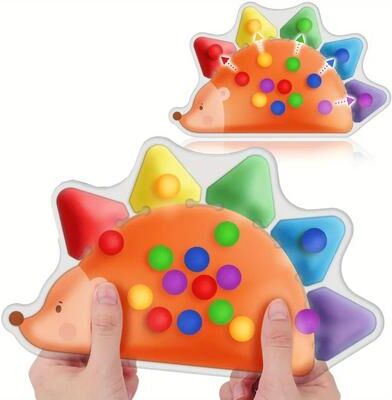
Uplift Picks Toddler Color Sorting Toy Montessori Sensory Fine Motor Skill Game Toddler Color Sorting Toy Montessori Sensory Fine Motor Skill GameTurn playtime into a fun learning experience with this engaging color sorting toy designed to support early development. Perfect for little hands, this toddler sensory toy helps explore colors, shapes, and coordination through interactive play. Each...68,99 $*Shipping: 0,00 $Secure redirect to the provider
-
What is the cause of jealousy: love or possessiveness?
Jealousy can stem from both love and possessiveness. Love can lead to jealousy when there is a fear of losing the affection and attention of a loved one to someone else. Possessiveness, on the other hand, can also lead to jealousy when there is a strong desire to control and own the other person. Both love and possessiveness can trigger feelings of insecurity and fear of losing the connection with the person, which can result in jealousy. Ultimately, the cause of jealousy can be a complex combination of love and possessiveness. **
-
Is the concept of human partnership, love, without jealousy and possessiveness not possible?
The concept of human partnership and love without jealousy and possessiveness is possible, but it requires a deep level of trust, communication, and emotional maturity from both partners. It involves understanding that each person is an individual with their own autonomy and freedom, and that love does not equate to ownership. It requires a secure attachment style and the ability to manage insecurities and fears. While it may be challenging, it is achievable through open and honest communication, mutual respect, and a commitment to personal growth. **
-
How does the desire for control manifest in relationships through possessiveness and dominance?
The desire for control in relationships can manifest through possessiveness by wanting to have ownership and control over the other person. This can lead to jealousy, monitoring their activities, and trying to limit their interactions with others. Dominance can manifest through the need to have power and authority over the other person, leading to controlling behavior, making all the decisions, and using manipulation or coercion to maintain control. Both possessiveness and dominance can create an unhealthy dynamic in a relationship, leading to feelings of suffocation, lack of autonomy, and ultimately, the erosion of trust and intimacy. **
-
Why is teamwork important for professional life?
Teamwork is important for professional life because it allows individuals to combine their unique skills and perspectives to achieve common goals. By working together, team members can leverage each other's strengths, problem-solve more effectively, and ultimately produce better results. Additionally, teamwork fosters a sense of collaboration, communication, and trust among colleagues, which can lead to a more positive and productive work environment. Overall, teamwork is essential for professional success as it enables individuals to achieve more collectively than they could on their own. **
* All prices are inclusive of VAT and, if applicable, plus shipping costs. The offer information is based on the details provided by the respective shop and is updated through automated processes. Real-time updates do not occur, so deviations can occur in individual cases. ** Note: Parts of this content were created by AI.